




Travel Guide
What Currency Is Used in Europe? 2026 Guide
Planning a Europe trip? Learn what currency is used in each country, how much cash to bring, and smart ways to avoid exchange fees.
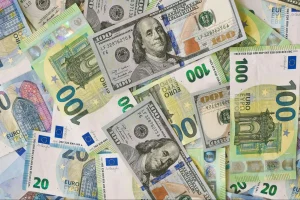
Europe looks unified on a map — but financially, it isn’t. Most countries use the Euro (€), but several popular destinations use their own currency.
Understanding which is which (and how to pay smartly) will save you time, stress, and unnecessary fees.
This guide covers:
If you’re travelling with IzzyTrip, most big expenses are prepaid — so this guide focuses on everyday spending and smart money handling while you explore.
No — Europe does not use one single currency.
21 European countries use the Euro (€), but many others use their own national currency instead. Whether you’ll need Euros or another currency depends entirely on your itinerary.

Here’s the key distinction:
Not every EU member uses the Euro. For example, Poland and Hungary are in the EU but still use their own currencies.
At the same time, a few non-EU countries (Monaco, the Vatican City, Andorra and San Marino) use the Euro through special agreements.
So the short answer is simple: Your currency needs depend on which countries you’re visiting, not just whether they’re in Europe.
If you’re travelling in Western or Southern Europe, you’ll likely only need Euros.
Other European countries that use the Euro as of 2026:
If your trip stays within these countries, you will not need to exchange currencies mid-trip.
Many travellers assume “Europe = Euro.” That’s not correct. The following countries mostly don’t accept the Euro.
Rule to remember:
Always pay in the local currency, not in Euros (unless you are actually in a Euro country).
Short answer: less than you think.
Europe is very card-friendly, especially in:
You may need cash for:
For most travellers:
If you’re on an IzzyTrip tour:
So your daily spending is mainly:
Not entirely — but some countries are close.
Europe is generally very card-friendly, especially in major cities. However, cash culture varies by region. In some countries, you can go days without touching cash. In others, it’s still commonly used for smaller purchases.
Here’s how it compares:
Scandinavia is nearly cashless. Many cafés and shops don’t even accept cash anymore.
Germany, on the other hand, still has a strong cash culture — especially in smaller towns, bakeries, and local restaurants.
So you can rely heavily on your card across Europe, but it’s still wise to carry a small amount of cash.
For most travellers, the smartest option is simple:
Use a debit or credit card with low foreign transaction fees.
Europe is highly card-friendly, especially in cities and tourist areas. In most cases, you can tap and go for:
Visa and Mastercard are accepted almost everywhere. American Express is less common outside major cities.
Contactless payment is standard across Europe — including small purchases like coffee or metro tickets.
Before you leave, confirm:
If your card charges high international fees, consider using a travel-friendly card. Over a multi-week trip, those small percentages add up quickly.
The goal isn’t to avoid using a card — it’s to avoid paying unnecessary fees while you do.
If you remember only one thing from this guide, let it be this:
Always choose to pay in the local currency.
When paying by card in Europe, the payment terminal may ask:
Here’s an example of what this might look like:

It may look helpful. It isn’t.
This is called dynamic currency conversion (DCC) — and it usually comes with a hidden markup.
Instead of letting your bank handle the exchange rate, the merchant’s payment provider converts the amount for you. That conversion often adds an extra 3–8% to the transaction.
Your bank’s exchange rate is almost always better.
When prompted, choose:
Pay in EUR, CHF, HUF, CZK — or whatever the local currency is.
That’s it.
It feels like a small decision in the moment, but over a two- or three-week trip, this one habit can save you hundreds of dollars.
Let your bank do the conversion — not the checkout machine.
Withdrawing cash in Europe is simple as long as you use the right machine and choose the right options.
Follow these steps:
That’s it. This method is quick, secure, and typically the most cost-effective way to access money abroad.
Stick to official bank ATMs and local currency withdrawals, and you’ll avoid most unnecessary fees.
If you’re unsure whether to exchange cash at the airport or use an ATM, here’s a simple comparison:
Bank ATMs consistently offer the most competitive exchange rates.
Airport exchange counters are convenient, but that convenience usually comes at a cost. Tourist exchange offices in city centres are slightly better but still rarely match bank rates.
So if you need cash, use an official bank ATM and withdraw in local currency.
If your itinerary crosses currency zones, keep your plan simple. You don’t need to carry multiple currencies at once — just adjust as you move between countries.
Here’s how it works in practice:
France → Switzerland → Italy
You’ll need Euros for France and Italy, and Swiss Francs while in Switzerland.
Germany → Austria → Italy → Spain
All four countries use the Euro (€).
You won’t need to exchange currency at any point during the trip.
Make sure to check your route first, then adjust your withdrawals accordingly.
Here’s the easiest way to manage it.
Follow this approach, and you’ll avoid unnecessary exchanges and fees:
That’s it.
You don’t need to predict every expense in advance. Just withdraw locally, in small amounts, when needed.
This keeps your money flexible — and your fees low.
Tipping in Europe is generally modest — and often optional.
Unlike the United States, service staff in many European countries are paid a standard wage. That means tipping is usually a gesture of appreciation, not an obligation.
Here’s a simple overview:
Always check your bill first.
In many countries, especially France and Italy, service is already included. You may see wording like:
If service is included, tipping is optional.
When in doubt, rounding up or leaving small change is perfectly acceptable.
Before you fly, run through this quick checklist:
This takes five minutes to organise and can prevent hours of stress overseas.
If you have checked all these boxes, you’re financially ready for Europe.
European currency can feel confusing at first — especially when you’re visiting multiple countries — but in practice, it’s far simpler than it looks.
Most destinations use the Euro, and in the places that don’t, paying by card in the local currency usually makes everything straightforward. You don’t need to overthink how much cash to carry. What matters more is making smart choices at checkout, using local currency, and avoiding unnecessary exchange fees.
Keep it practical. Withdraw small amounts when needed. Bring a backup card. Don’t exchange more than you’ll use.
Once your money plan is sorted, you’re free to focus on wandering through old streets, long dinners, train journeys, and all the small moments that make Europe special.
Planning a Europe trip? Learn what currency is used in each country, how much cash to bring, and smart ways to avoid exchange fees.

Practical packing advice for Europe trips with frequent hotel changes, including luggage size, carry-on vs checked bags, and shoes for long walking days.
Learn how the Schengen visa affects timing, routing, and booking decisions when planning a Europe trip, including guided and multi-country itineraries.
