




Travel Guide
What Currency Is Used in Europe? 2026 Guide
Planning a Europe trip? Learn what currency is used in each country, how much cash to bring, and smart ways to avoid exchange fees.
Planning a Europe trip usually starts with a shortlist of cities and a rough timeline. What often catches people out isn’t a lack of research, but the gap between how travel looks on paper and how it works day to day once you’re actually moving.
Most advice focuses on what to see. So, instead, we’ll look at what tends to be underestimated when planning a Europe trip so you can set realistic expectations and make better decisions before anything is booked.
Distances in Europe are short compared to countries like Australia or the US, but travel days still take more time than many people expect.
For example, a transfer isn’t just the train or bus ride. It includes packing, checking out, getting to the station, waiting, navigating platforms, arriving in a new city, finding accommodation, and settling in. Add delays, crowds, or unfamiliar transport systems, and what looked like a short journey can quietly take most of the day.
This is why many initial itineraries look appealing on paper but feel rushed once you’re there. If you treat travel days as sightseeing days, it’s easy to end up feeling behind schedule before the trip has really started.
Once travel time is properly accounted for, the next surprise is often how quickly daily costs can add up.
Flights and accommodation are usually budgeted early. Day-to-day costs are where many plans start to slip.
Meals, coffee stops, public transport, attraction entry, city taxes, tips, and small purchases can add up quickly. Even in card-friendly cities, you’ll still run into situations where cash is expected. Local markets, small cafés, public toilets, and group tips don’t always accept cards.
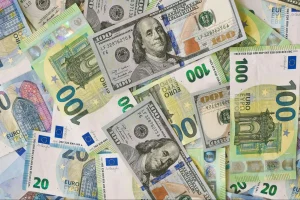
If your route crosses several countries, currency differences matter too. Not every European country uses the Euro, and card fees or exchange rates can affect spending without being obvious at first. So when you’re budgeting for a Europe trip, you’d be wise to leave room for small daily expenses.
Budget aside, many travelers don’t realise how physically demanding constant movement can be.
Trying to do too much in a limited timeframe often feels manageable at first, then catches up with you.
Early starts, long walking days, standing tours, luggage handling, and navigating unfamiliar streets all take energy. By the middle of a longer trip, fatigue often sets in, even if you’re used to travelling. Seeing more places doesn’t always mean enjoying them more. If you’re moving every one or two nights, you may spend more time in transit than you expected.
Fatigue isn’t the only thing that can disrupt a trip. Paperwork and entry requirements are another area people tend to think about too late.

Visa requirements depend on both your passport and your destination.
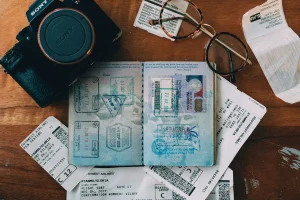
Many itineraries move in and out of the Schengen Area. Depending on your nationality, you may need a multiple-entry Schengen visa, even if some parts of the trip don’t require one. Passport validity rules are also easy to overlook, with many countries requiring at least six months’ validity beyond your travel dates.
Border checks aren’t always dramatic, but missing or incorrect documentation can stop a trip in its tracks. This is one area where it’s worth checking details carefully rather than assuming everything will be fine.
Even when paperwork is sorted, everyday logistics can still create friction, especially when you’re carrying everything with you.
Packing often feels straightforward until you’re dealing with your luggage every day.
Oversized bags, heavy cases, and impractical footwear are common issues. Many transport providers and hotels have luggage limits, and navigating stations, stairs, and older city streets with bulky luggage quickly becomes tiring.
Overpacking usually comes from preparing for every possible scenario rather than for how the trip will actually run. In practice, layering is usually more useful than volume, and comfortable shoes matter more than having options.
By this point, many challenges aren’t about destinations anymore. They’re about how much effort it takes to keep everything organised.
Beyond logistics, there’s the mental effort involved in planning.
Comparing routes, checking reviews, tracking bookings, double-checking inclusions, and second-guessing decisions all take time and focus. If your trip crosses multiple countries, this builds faster than you might expect.
Decision fatigue often starts before departure rather than during the trip. Many people only notice it once planning is finished and there’s a sense of relief that everything is finally locked in.
Beyond planning decisions, there’s also a quieter layer of work that often gets overlooked.

Most people plan the trip itself but underestimate the admin that surrounds it.
Keeping booking confirmations organised, accessing tickets offline, understanding hotel check-in rules, knowing who to contact if something goes wrong, and having emergency details available is often left until the last minute. On trips that cover several countries, this admin multiplies quickly.
When information is spread across emails, apps, screenshots, and notes, small issues take longer to resolve than they should. This usually isn’t obvious until something goes wrong, such as a missed connection or a delayed arrival.
If you’ve ever found yourself scrolling through emails at a train station, this part will feel familiar.
But, practical issues aside, one factor shapes the experience more than most people expect.
Not all itineraries suit every traveler, even when the destinations are the same.
Some people enjoy early starts and full days. Others prefer fewer locations and more time in each place. Many don’t think about this difference until they’re committed to a pace that doesn’t match how they actually like to travel.
This becomes more noticeable on longer trips. What feels manageable for a few days can feel exhausting over two or three weeks.
Being honest with yourself about travel style early makes planning decisions easier and avoids frustration later on.
These are the areas that tend to cause the most friction, not because people plan badly, but because they underestimate how many moving parts are involved.
Guided trips don’t remove independence, but they do remove background complexity.
Transport is planned with realistic timing. Accommodation and transfers are coordinated. Inclusions are clearly defined. Border crossings, pacing, and logistics are already considered.
If you prefer structure and don’t want to handle every detail yourself, this approach can alleviate the stress from often underestimated parts of planning.
Planning a Europe trip isn’t just about choosing destinations but understanding how travel works in practice: time, energy, money, paperwork, and logistics.
Most issues travellers run into come from underestimating these details rather than from poor planning. Being realistic early helps avoid rushed days, unexpected costs, and unnecessary stress later.
If you prefer clarity and structure, having these elements thought through in advance can make planning feel manageable rather than overwhelming. IzzyTrip focuses on trips designed with these realities in mind, so planning doesn’t become the hardest part of the journey.
Planning a Europe trip? Learn what currency is used in each country, how much cash to bring, and smart ways to avoid exchange fees.

Practical packing advice for Europe trips with frequent hotel changes, including luggage size, carry-on vs checked bags, and shoes for long walking days.
Learn how the Schengen visa affects timing, routing, and booking decisions when planning a Europe trip, including guided and multi-country itineraries.
